
Whole Foods vs Ultra-Processed: Key Differences
Nutritional science distinguishes between whole foods—items minimally altered from their natural state—and ultra-processed foods involving extensive industrial modification. These categories display measurable differences in nutrient composition, structural integrity, and physiological effects.
Definition and Classification
Whole foods include vegetables, fruits, legumes, grains, nuts, seeds, fish, and eggs in their natural or minimally processed form. Ultra-processed foods undergo multiple manufacturing stages: separation of food components, chemical transformation, high-heat processing, and addition of artificial ingredients.
Micronutrient Profiles
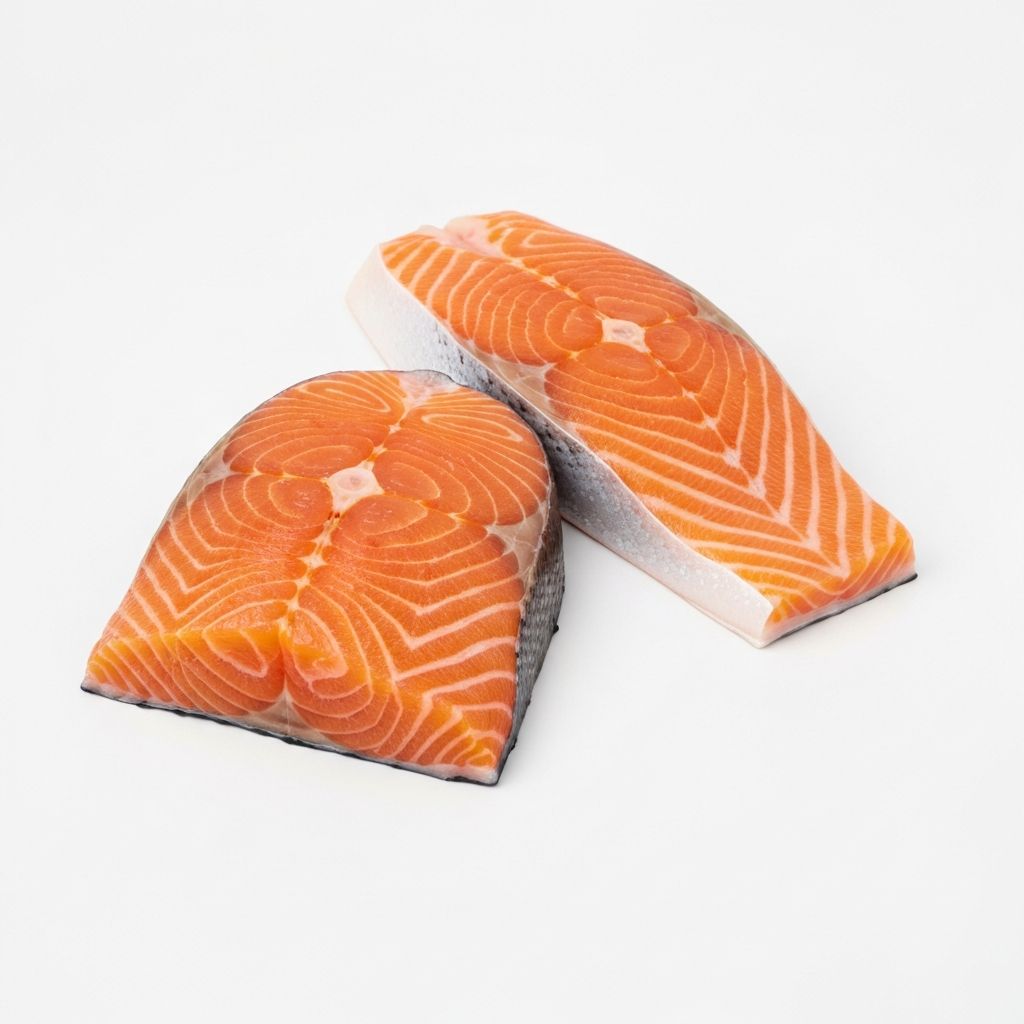
Whole foods retain naturally occurring vitamins and minerals. Spinach provides bioavailable iron, folate, and vitamins K and A. Legumes deliver iron, magnesium, and B vitamins. Fish supplies omega-3 fatty acids and vitamin D. Processing typically reduces micronutrient density through heat degradation, oxidation, and leaching into processing waters.
Fiber Content
Natural fiber exists in whole plant foods—vegetables provide insoluble fiber; fruits combine soluble and insoluble types; grains and legumes deliver both forms. Fiber supports digestive function and microbial ecology. Ultra-processing often removes or reduces fiber through refinement. Many ultra-processed foods contain little or no natural fiber despite potentially added synthetic alternatives.
Phytonutrient Compounds
Whole foods contain thousands of bioactive plant compounds—flavonoids, polyphenols, carotenoids—with roles in cellular function. These complex molecules often degrade during industrial processing. Ultra-processed foods generally contain minimal phytonutrient content.
Added Substances
Whole foods naturally contain their original components. Ultra-processed foods frequently contain added ingredients: refined sugars, artificial fats, artificial colors and flavors, preservatives, and sodium. These additions increase palatability and shelf life but typically offer no nutritional benefit.
Digestive Function Impact
Whole food structure—intact cell walls, natural fiber networks—interacts with digestive enzymes and processes in specific ways. Ultra-processed foods, fragmented and often pre-digested chemically, present different digestive challenges and satiation signals.