
Natural Sources of Essential Micronutrients
Micronutrients—vitamins and minerals present in small quantities—are essential for enzymatic function, immune response, tissue maintenance, and metabolic processes. These compounds exist naturally in diverse whole foods, each contributing unique micronutrient profiles.
Vitamin Categories and Food Sources
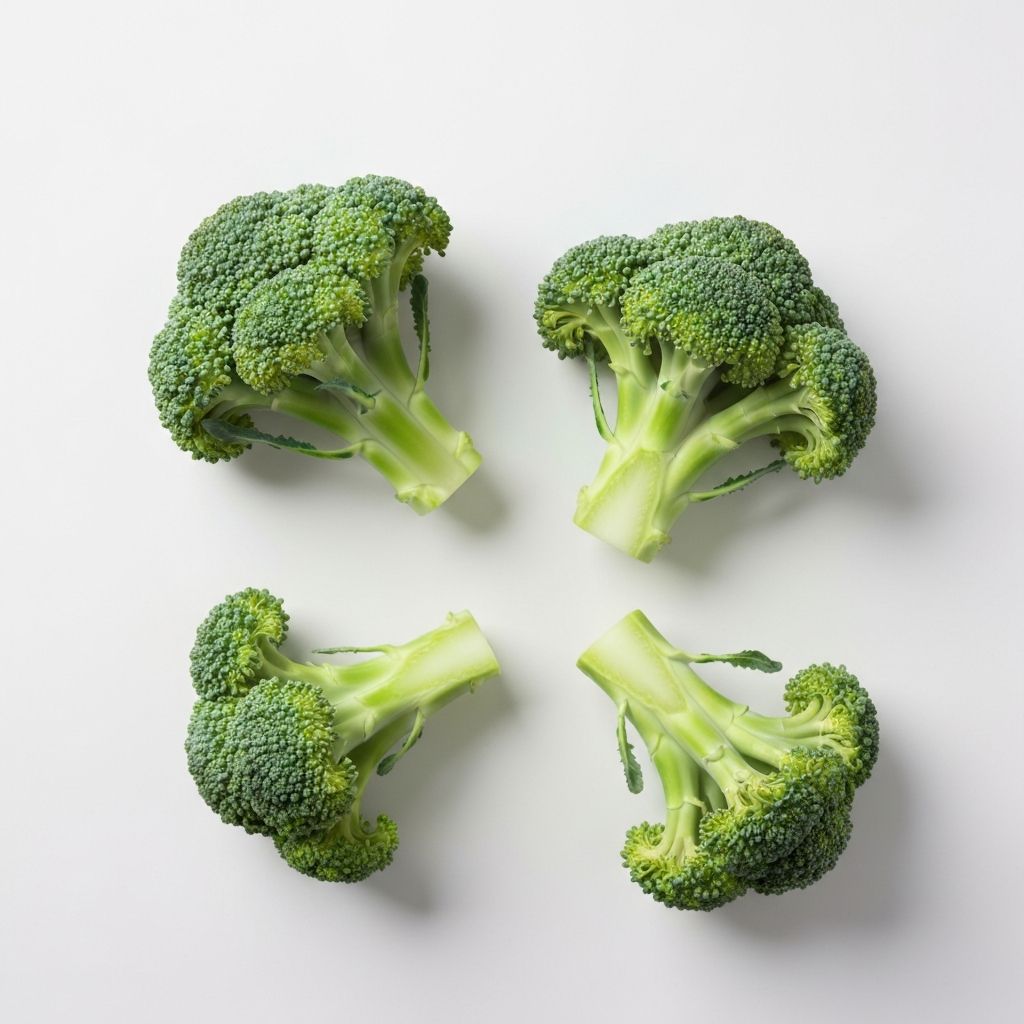
Fat-soluble vitamins A, D, E, and K require dietary fat for absorption and are stored in body tissues. Vitamin A appears in orange vegetables (carrots, sweet potatoes) and leafy greens as beta-carotene. Vitamin D exists in fatty fish, egg yolks, and mushrooms exposed to sunlight. Vitamin E concentrates in nuts, seeds, and vegetable oils. Vitamin K appears prominently in cruciferous vegetables (broccoli, cabbage) and leafy greens.
Water-soluble B vitamins—thiamine, riboflavin, niacin, pantothenic acid, biotin, folate, and B12—are not stored and must be consumed regularly. Whole grains provide B vitamins; legumes deliver thiamine and folate; meat, fish, and dairy contain B12; leafy greens provide folate; nuts and seeds offer additional B vitamins. Vitamin C, also water-soluble, concentrates in citrus fruits, berries, and vegetables including peppers and tomatoes.
Essential Minerals
Calcium, critical for bone structure and muscular function, appears in dairy products, leafy greens, and fortified plant-based foods. Iron exists in two forms: heme iron from meat and poultry (highly bioavailable) and non-heme iron from legumes, grains, and vegetables (moderately bioavailable with vitamin C enhancement). Magnesium, supporting over 300 enzymatic reactions, concentrates in nuts, seeds, whole grains, and leafy greens. Zinc, essential for immune function, appears in meat, shellfish, legumes, and seeds.
Potassium, critical for fluid balance and muscle function, appears abundantly in fruits and vegetables. Iodine, necessary for thyroid function, appears in seafood, dairy, and eggs. Selenium, supporting antioxidant systems, concentrates in Brazil nuts and seafood. Copper, iron, and manganese—trace minerals involved in multiple metabolic processes—appear in nuts, seeds, and whole grains.
Phytonutrients and Bioactive Compounds
Beyond classified micronutrients, whole foods contain thousands of bioactive compounds. Polyphenols in berries, tea, and wine; flavonoids in citrus and dark chocolate; carotenoids in colorful vegetables; sulfur compounds in cruciferous vegetables and allium species—these compounds interact with cellular processes and appear in nutritional research examining whole food benefits.
Bioavailability and Absorption
Micronutrient absorption depends on food form, accompanying compounds, digestive capacity, and individual factors. Natural food matrices facilitate absorption through complementary nutrient presence. Vitamin C enhances iron absorption; fat facilitates fat-soluble vitamin absorption; natural fiber affects mineral absorption patterns. This context-dependent bioavailability reflects why food-based micronutrients often differ functionally from isolated supplements.